Quiet Machine
Enquiry triage for a hospitality group. AI sorts and drafts; people approve.
- Status
- Concept, not commissioned work
- What we did
- AI workflow automation
- Services
- AI & Systems
- Sector
- Hospitality
The challenge
A hospitality group receives bookings, function enquiries, lost property and complaints through one shared inbox. High-value enquiries wait behind routine ones, replies depend on who is on shift, and nobody can say which questions come up most.
The approach
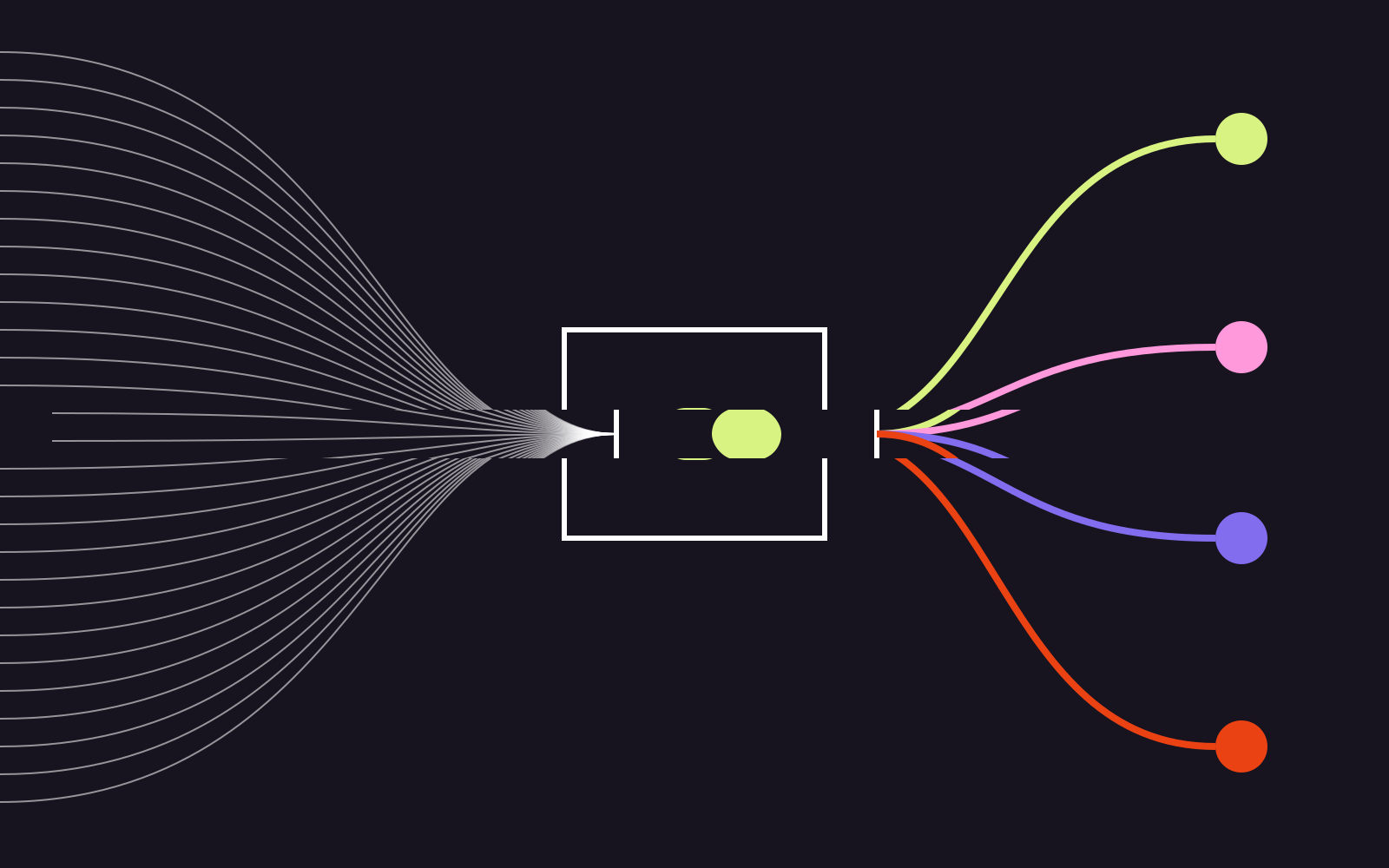
Automate the sorting and the first draft, never the final word. Each message is classified, prioritised and routed to the right person with a suggested reply built from approved policies. Sensitive messages, such as complaints, skip the draft and go straight to a human.
Try the interactive demo below. It runs entirely in your browser with sample messages, so you can see each step of the workflow. Nothing is sent anywhere.
Outside / Inside
What customers would see, and what runs behind it.
Outside
- Faster, consistent replies to guests
- Function enquiries answered while the guest is still deciding
- Complaints handled personally by a manager
Inside
- Classifier and routing rules
- Approved policy library for drafts
- Approval queue and weekly themes report
Try it
Illustrative demo with sample messages. It runs in your browser and nothing is sent.
Shared inbox
- 1
Classify
- 2
Route
- 3
Draft from approved policies
- 4
Human approval
Intended value
- Shorten first-response times, measured against the current baseline
- Stop high-value function enquiries getting lost in the queue
- Give staff time back from repetitive replies
These are the objectives the concept is designed to test. They are hypotheses, not results.
What we’d develop
- 01Classification of each enquiry by type, urgency and value
- 02Routing rules that send each type to the right person or team
- 03Draft replies built only from approved policies and current information
- 04A human approval step before anything is sent
- 05A weekly summary of enquiry themes, response times and gaps in the knowledge base